This article contains affiliate links. If you make a purchase through these links, I may earn a commission at no extra cost to you.
Introduction to Home Assistants
Home assistants are intelligent software applications designed to perform various tasks and provide personalized assistance within a home environment. These advanced systems have significantly transformed the way individuals interact with their households, making daily life more efficient and streamlined. By leveraging voice recognition technology and artificial intelligence, home assistants enable users to execute various functions, from controlling smart home devices to managing schedules and answering queries.
The primary function of home assistants revolves around voice control, which allows users to issue commands with simple verbal instructions. This hands-free interaction not only enhances convenience but also promotes accessibility for those with mobility challenges. Whether it’s adjusting the thermostat, turning on lights, or playing music, home assistants have become a central hub for managing household activities.
In addition to voice control, these assistants excel in smart home integration. They are compatible with a myriad of IoT devices, providing users with seamless control over their home environment. With a single command, users can activate security systems, monitor energy consumption, and regulate appliances, contributing to a more connected and efficient living space. Moreover, home assistants can function as personal assistants, helping individuals manage their daily tasks by scheduling reminders, adding events to calendars, and even providing tailored information based on user preferences.
The growing popularity of devices like Amazon Alexa and Siri HomePod underscores the critical role home assistants play in contemporary living. Their ability to adapt to various user needs and preferences has made them essential components in modern households. As technology advances, the functionalities of home assistants are expected to expand even further, solidifying their place as indispensable tools in the way we manage and interact with our homes.
Amazon Alexa: Features and Benefits
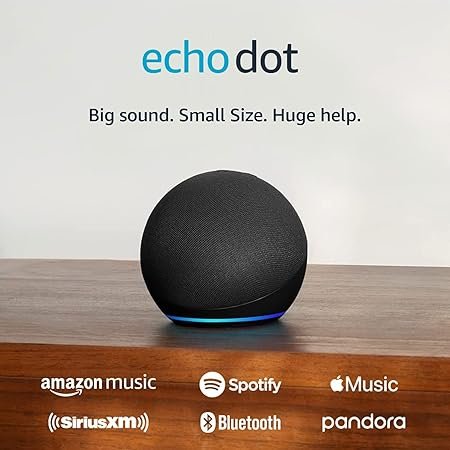
Amazon Alexa has garnered significant popularity in the realm of home assistants, primarily due to its advanced voice recognition and compatibility with a wide array of smart home devices. Users can interact with Alexa through voice commands, making it an ideal choice for those seeking convenience and efficiency in managing household tasks.
One of the standout features of Amazon Alexa is its ability to integrate seamlessly with numerous smart home products. This compatibility allows users to control lighting, thermostats, security cameras, and various other smart devices all through simple voice commands. For instance, a user can say, “Alexa, turn on the living room lights,” and watch as the specified action is executed instantly. This integration not only enhances the overall user experience but also contributes significantly to energy savings and home security.
Beyond home automation, Amazon Alexa offers an extensive ecosystem of skills that can be added to customize its capabilities. Currently, there are thousands of skills available, encompassing various categories, from games and productivity tools to educational resources. This vast library empowers users to tailor Alexa to their specific needs, thereby maximizing its functionality. For example, users can enable skills that provide real-time news updates, weather forecasts, or even guided meditation sessions.
Moreover, Alexa enhances connectivity among family and friends through features like hands-free calling and messaging. Users can easily make calls without needing to pick up their smartphones, allowing for greater ease and spontaneity in communication. Overall, the implementation of Amazon Alexa in daily life can streamline tasks, keep users informed, and elevate the overall smart home experience, making it a valuable asset for many households today.
Apple Siri and HomePod: A Seamless Ecosystem
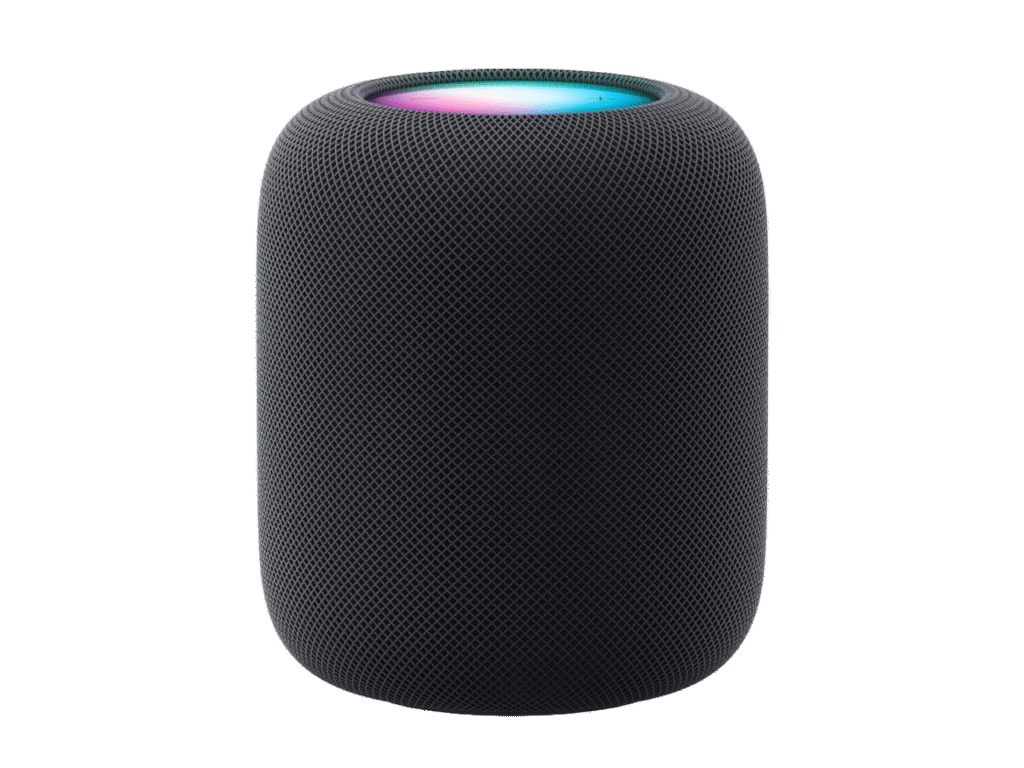
Apple’s Siri, integrated into the HomePod and other Apple devices, represents a sophisticated voice assistant that enhances the overall user experience. One of the standout features of Siri is its deep integration with Apple services and products, which allows users to control various aspects of their smart home seamlessly. Through simple voice commands, Siri can manage tasks such as adjusting thermostat settings, turning off lights, and controlling compatible smart devices. This seamless interaction is particularly beneficial for users heavily invested in the Apple ecosystem.
The HomePod, in particular, excels as a smart speaker with its exceptional audio quality and spatial awareness. It provides an immersive music listening experience, capable of filling a room with rich sound. Users can easily command Siri to play music from Apple Music or other streaming platforms, enhancing the overall auditory experience. The HomePod’s ability to recognize individual voices allows for personalized music recommendations and tailored responses, making it a valuable asset in music enjoyment and home automation.
Moreover, the HomePod serves as a central hub for HomeKit-enabled devices, making smart home management more intuitive. Users can leverage Siri to create scenarios or control multiple devices at once, promoting convenience and efficiency. For instance, saying “Hey Siri, goodnight” could trigger a sequence that turns off lights, sets the thermostat, and activates security features. This level of integration positions Apple Siri and HomePod as reliable tools for users aiming to streamline their daily routines within the Apple ecosystem.
Ultimately, Apple’s Siri, through the HomePod and other devices, not only enhances the music experience but also contributes to a smoother operation of smart home features, reinforcing the benefits of being an Apple ecosystem user.
Comparative Review: Other Home Assistants
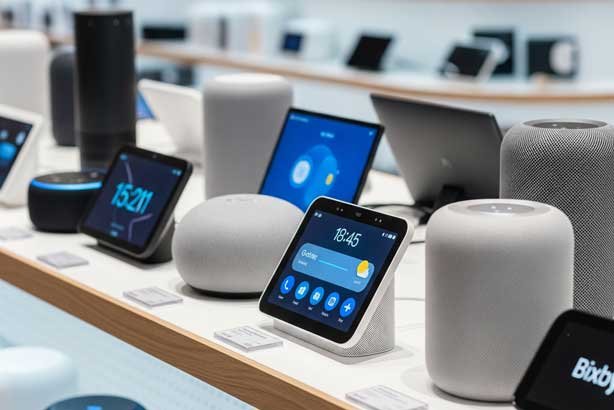
In addition to Amazon Alexa and Apple’s Siri HomePod, the home assistant market features several other notable competitors, such as Google Assistant, Samsung Bixby, and Microsoft Cortana. Each of these voice-activated platforms is designed to improve the smart home experience but with varying degrees of effectiveness across distinct functionalities and device compatibility.
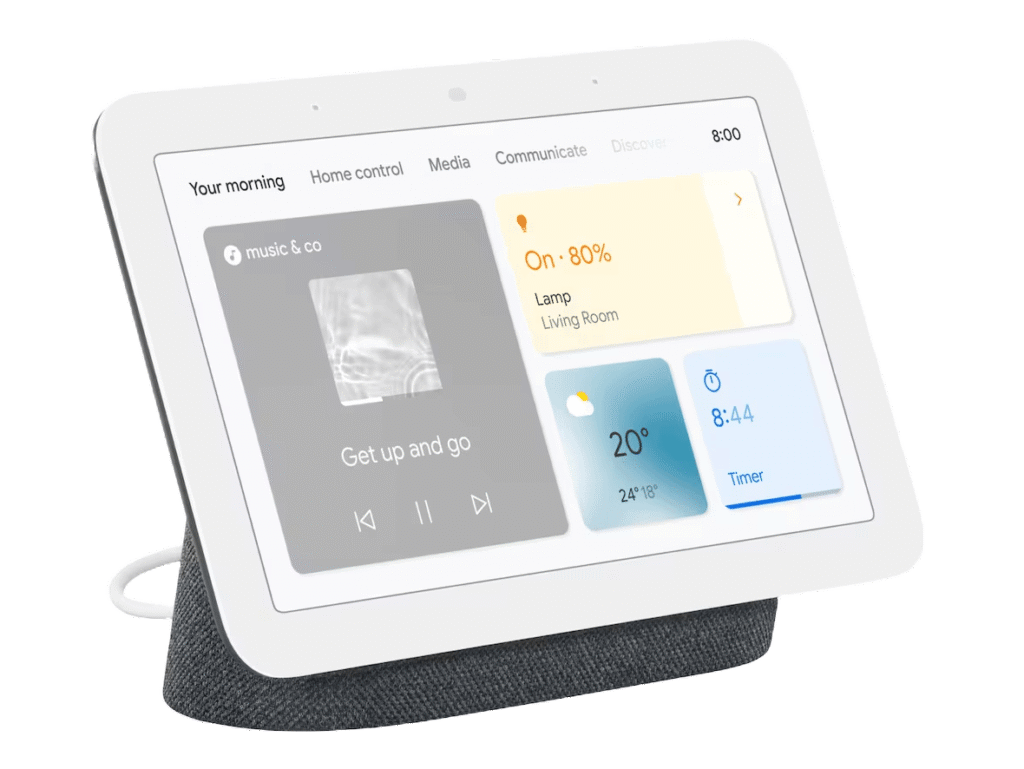
Google Assistant is widely recognized for its powerful search capabilities and contextually aware responses. It excels in managing Google services like Calendar and Gmail, allowing for a seamless integration of daily tasks. Its compatibility extends to numerous third-party smart home devices, making it a versatile choice for users engaged in home automation. Google Assistant’s ability to understand natural language makes voice commands more intuitive, thus enhancing user experiences significantly.
Samsung Bixy, while less popular than its counterparts, showcases impressive features tailored to Samsung devices. Bixby focuses on providing a deeply integrated experience for Samsung smartphone and appliance users. Though its ecosystem is somewhat limited in comparison to that of Google Assistant, it offers unique capabilities, such as Bixby Vision, which allows for image recognition and augmented reality functionalities. However, the range of compatible third-party devices remains a critical consideration for users evaluating Bixby.
On the other hand, Microsoft Cortana has redefined its focus, moving away from being just a personal assistant to becoming more of an enterprise solution integrated into Microsoft products. While it is less equipped for smart home usage, those entrenched in the Microsoft ecosystem may find Cortana beneficial for tasks like scheduling and reminders.
When selecting a home assistant, potential users should consider the specific features offered by each option, their existing device compatibility, and the usability factors that align with their routines. This comparative analysis supports a more informed choice between Google Assistant, Samsung Bixby, and Microsoft Cortana.1